
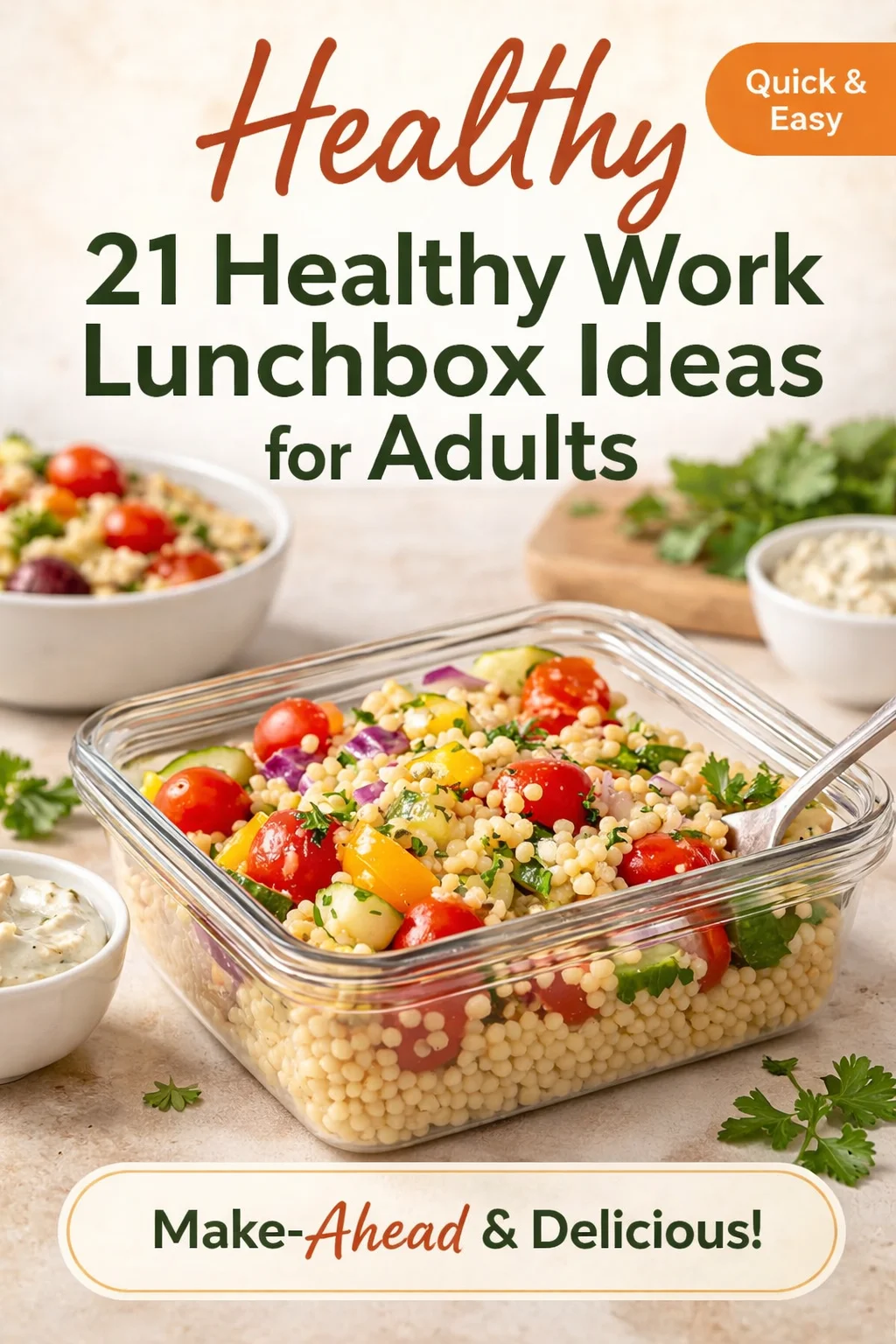
Short, real-world note: packing a healthy adult work lunch does not have to mean salads in sad plastic clamshells. This collection gives 21 easy, comforting, protein-forward ideas you can mix and match for a full week of lunches that are kid-approved, adult-sized, and made with real, pantry-friendly ingredients. Think hearty grain bowls, bright mason-jar salads, protein-packed wraps, and a few warm options that reheat nicely. Practical, Southern-friendly, and built for busy weekdays.
Why you’ll love this dish
These lunchbox ideas make weekday meals calmer and cheaper, and they keep you full through the afternoon slump. Each idea is designed to be make-ahead friendly, balanced for protein and fiber, and adaptable for dietary needs.
"Saved me from ordering takeout three days in a row. Flavorful, filling, and easy to tweak for my picky husband." — real reader mini-review
What makes these ideas special: they focus on simple ingredient swaps, honest prep time, and storage tips so your lunch is still tasty at noon. They work whether you have 20 minutes on Sunday to prep or just 10 minutes each evening.
How this recipe comes together
Short overview: you will batch-cook a couple of proteins, assemble a few grain or greens bases, and prep mix-and-match toppings and dressings. On pack days, combine components that travel well: keep wet ingredients separate until lunchtime, use insulated containers for warm foods, and portion food to control calories and reduce waste.
{image_template}
What you’ll need
Ingredient categories and pantry staples to assemble 21 lunchbox ideas:
- Proteins: grilled chicken breast, canned tuna or salmon, hard-cooked eggs, black beans, chickpeas, tofu, turkey slices.
- Grains and bases: brown rice, quinoa, farro, whole-grain wraps, mixed greens.
- Veggies: cherry tomatoes, cucumbers, bell peppers, shredded carrots, steamed broccoli, spinach.
- Healthy fats and extras: avocado, olives, nuts, seeds, hummus, Greek yogurt.
- Condiments and dressings: olive oil, lemon, vinegar, mustard, low-sodium soy sauce, salsa.
- Seasonings: salt, black pepper, smoked paprika, chili flakes, garlic powder.
- Packing tools: airtight containers, small dressing cups, insulated lunch bag, ice packs.
Substitutions and clarifications:
- Swap quinoa for rice to make it gluten-free; swap wheat wraps for corn or lettuce leaves.
- Use canned beans for speed; rinse them to reduce sodium.
- For vegetarian protein, double beans and add extra nuts or a hard-boiled egg if ovo-vegetarian.
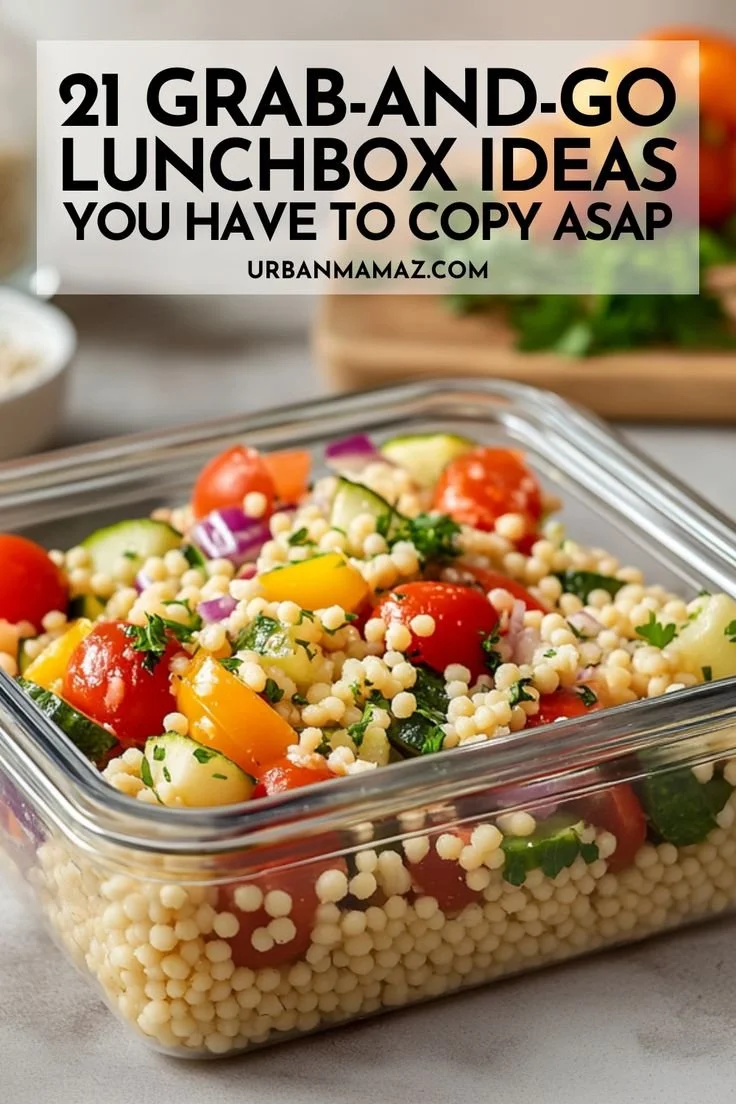
Step-by-step instructions
- Pick 3 proteins to rotate through the week: one poultry, one fish or legume, one vegetarian. Cook on day 1.
- Cook grains in a rice cooker or on the stove. Cool before packing to avoid sogginess.
- Roast or steam a big tray of mixed veggies. Keep them separate from dressings.
- Portion dressings and wet sauces into tiny containers to prevent wilt.
- Assemble lunches the night before: layer in jars or bowls with grains at the bottom, veggies and proteins next, and greens last. Bring the dressing separately.
- For hot lunches, pack in an insulated thermos while the food is still warm and reheat in the microwave at work following safety guidelines.
Extra clarity:
- Hard-cooked eggs keep 1 week refrigerated if unpeeled.
- If reheating frozen soups or bowls, thaw overnight in fridge then reheat until steaming hot.
Best ways to enjoy it
Pairings and serving ideas:
- Mediterranean bowl: quinoa, grilled chicken, cucumber, olives, feta, lemon-olive oil dressing; serve with pita triangles.
- Wrap option: hummus, roasted veggies, spinach, and sliced turkey in a whole-grain wrap; add pickled onions for brightness.
- Warm option: curried chickpea stew over brown rice in a thermos; top with yogurt and cilantro at lunch.
- Snack sides: apple slices with nut butter, roasted chickpeas, or a small square of dark chocolate for dessert.
Think in terms of texture: a crunchy element plus a creamy one keeps the lunch interesting.
Storage and reheating tips
- Refrigerator: most prepped lunches keep 3 to 4 days. Store components separately when possible.
- Freezer: soups and stews freeze well for up to 3 months. Cool completely before freezing in portioned containers.
- Reheating: for microwaves, cover and heat until temperature reaches 165 F. For stovetop, simmer until steaming.
- Safety: do not leave perishable lunches out longer than 2 hours, or 1 hour if ambient temperature is above 90 F. Use ice packs for workdays without reliable refrigeration.
Pro chef tips
- Cook once, eat many: roast a sheet pan of chicken and vegetables. Use chicken cold in salads, sliced in wraps, or warmed over grains.
- Keep wet and dry separate: use little containers or jars to avoid soggy greens.
- Season in layers: lightly salt grains while hot so they absorb flavor; finish with acid at service time.
- Quick pickles: thinly slice cucumbers or red onion and toss with equal parts vinegar and water plus a pinch of sugar; they add brightness for days.
- Invest in good containers: leakproof, microwave-safe, and with compartments if you want convenience.
Flavor swaps
- Tex-Mex swap: black beans, corn, avocado, cilantro, lime, and salsa on brown rice.
- Southern comfort: shredded BBQ chicken, coleslaw on the side, and a small cornbread muffin.
- Mediterranean: swap chicken for tuna, add olives, artichokes, and tahini dressing.
- Low-carb: lettuce wraps, spiralized zucchini, or cauliflower rice instead of grains.
- Gluten-free: use gluten-free wraps or make bowl meals instead.
Common questions
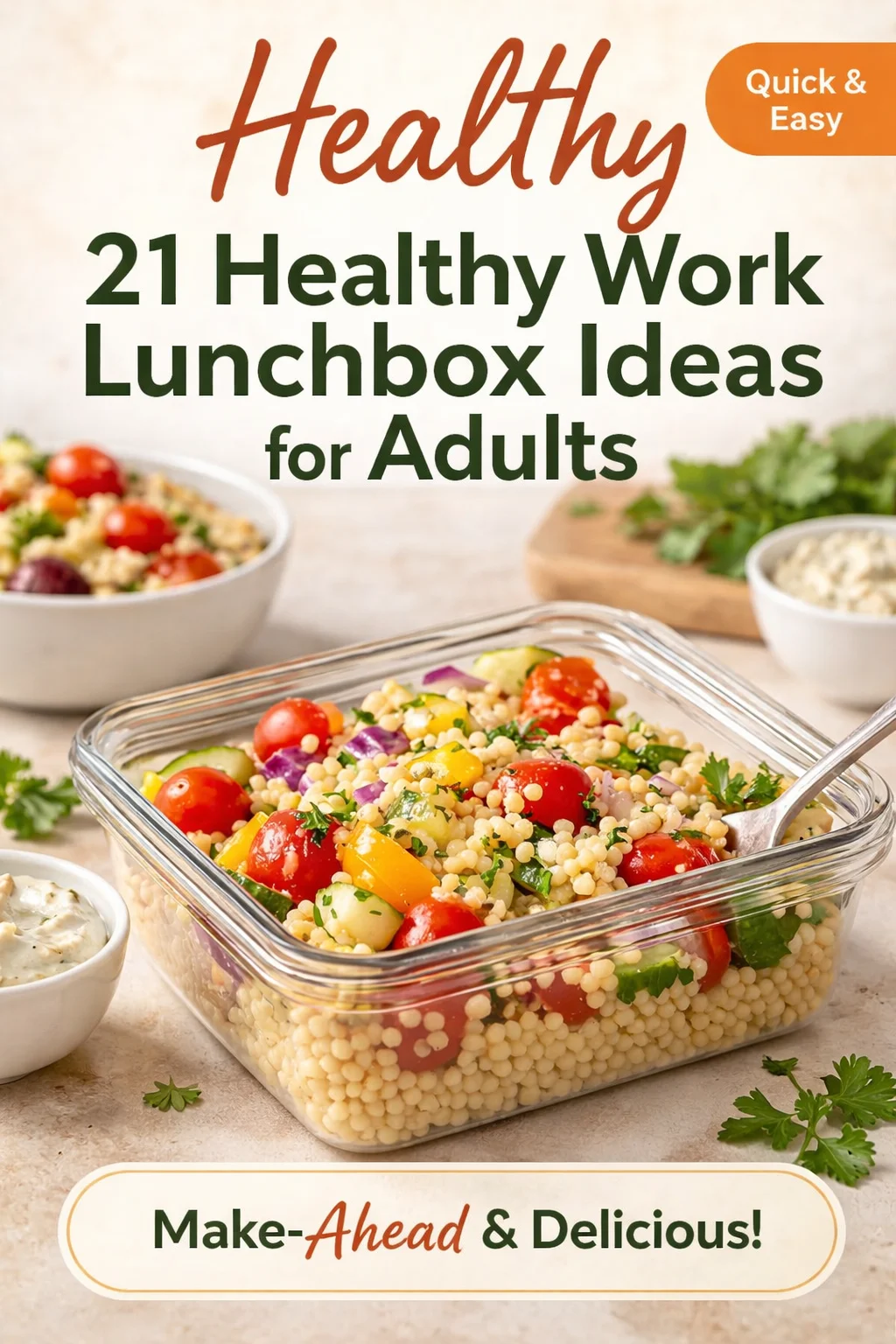
Q: How long does it take to meal prep a week of lunches?
A: Plan 60 to 90 minutes on a single weekend day to cook proteins, grains, and roast veggies. Assembly takes another 10 to 20 minutes across the week.
Q: Can I pack salads without things getting soggy?
A: Yes. Layer heavier ingredients like grains and beans at the bottom, put greens on top, and keep dressing in a separate small container to add at lunchtime.
Q: Are any of these ideas freezer-friendly?
A: Soups, stews, and some grain bowls freeze well. Avoid freezing salads with raw greens or avocados. Thaw overnight in the fridge before reheating.
Q: What if my office has only a microwave?
A: Use microwave-safe containers and pack foods that reheat evenly: casseroles, grain bowls, and soups work great. Stir halfway through reheating for even temperature.
Q: How do I keep lunch safe in summer heat?
A: Use an insulated bag with frozen gel packs. Perishable foods should not sit out more than 1 hour when it is hot.
Conclusion
If you want more vegetarian-specific inspiration for lunchboxes that travel well, browse this helpful roundup of ideas at 21 Healthy Vegetarian Lunch Box Ideas That Are Actually Delicious.
Meal Prep Lunchbox Ideas
Ingredients
Method
- Pick 3 proteins to rotate through the week: one poultry, one fish or legume, one vegetarian. Cook on day 1.
- Cook grains in a rice cooker or on the stove. Cool before packing to avoid sogginess.
- Roast or steam a big tray of mixed veggies. Keep them separate from dressings.
- Portion dressings and wet sauces into tiny containers to prevent wilt.
- Assemble lunches the night before: layer in jars or bowls with grains at the bottom, veggies and proteins next, and greens last.
- Bring the dressing separately.
- For hot lunches, pack in an insulated thermos while the food is still warm and reheat in the microwave at work following safety guidelines.