
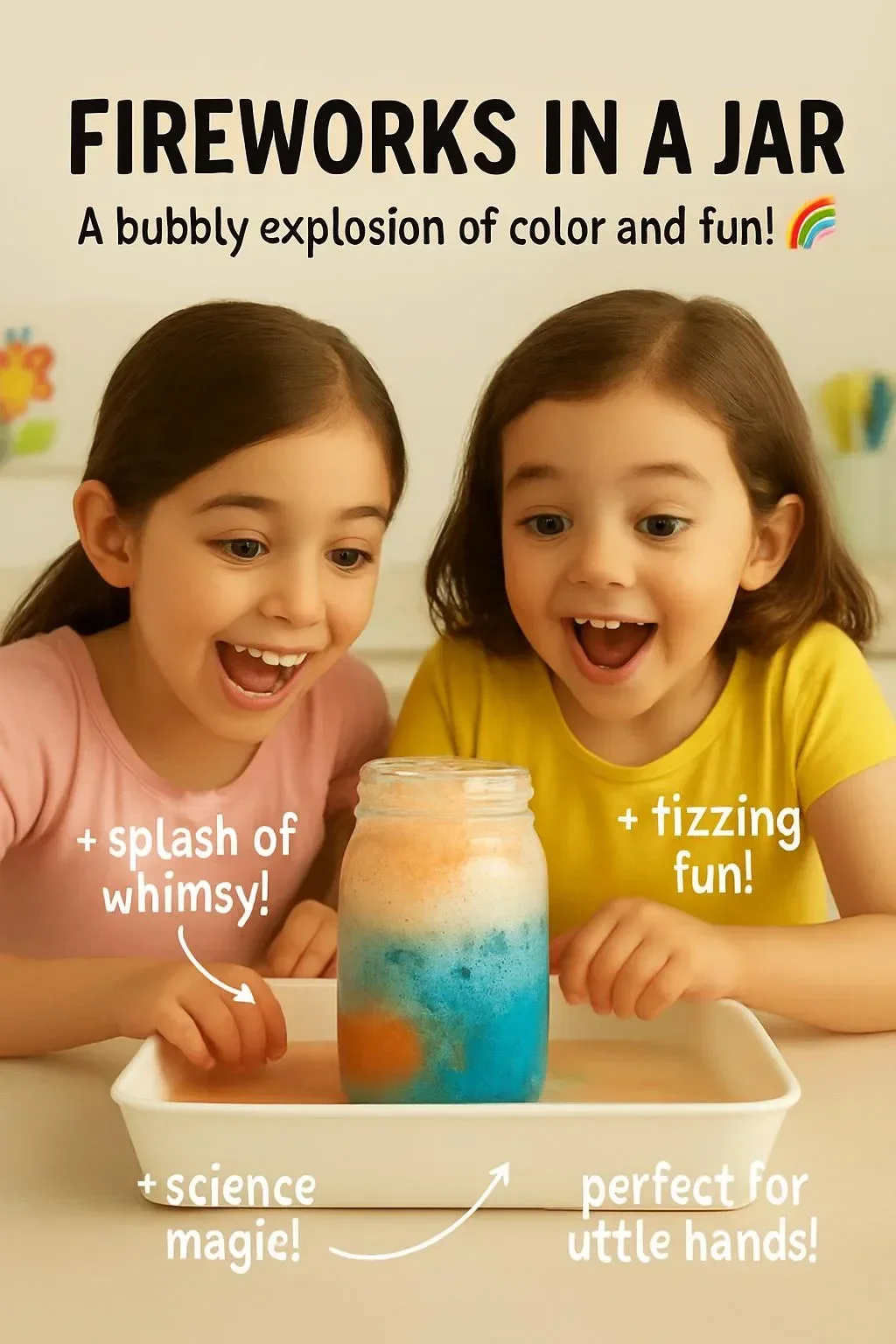
Fireworks in jar is one of those stunning desserts that looks like pure magic trapped in glass, and trust me, it tastes even better than it looks. I first discovered this show-stopping treat at a county fair in Tennessee, where layered desserts have been stealing hearts for generations across the American South. The moment you dig your spoon through those vibrant layers, you’ll experience an explosion of flavors—tangy cream cheese, sweet whipped topping, and bursts of fresh berries that pop on your tongue like tiny flavor bombs. What makes this no-bake dessert absolutely irresistible is the contrast in textures: creamy, smooth filling against crunchy graham cracker crumbs, all punctuated by juicy fruit that adds a refreshing zing. The vanilla and cream cheese create this luscious base that’s not too heavy, while the berries keep everything bright and balanced. It’s become my go-to patriotic dessert for Fourth of July gatherings, but honestly, this layered parfait works for any celebration where you want to impress without spending hours in the kitchen. Ready to create your own edible fireworks? Let me walk you through this ridiculously simple recipe that’ll have everyone asking for seconds.
Fireworks in jar is the stunning layered dessert that’s been taking social media by storm, and trust me when I say it tastes even better than it looks. I first discovered this show-stopping treat at a Fourth of July party in Nashville, where a friend served it in mason jars that literally sparkled with red, white, and blue layers. The combination of fluffy whipped cream, sweet berry compote, and buttery cake crumbles creates an explosion of flavors that truly lives up to its name. What makes this patriotic dessert so irresistible is the contrast of textures—you get the cool, airy cream against the jammy berries and those crispy, golden cake pieces that add just the right amount of crunch. While it’s become wildly popular across the American South for Independence Day celebrations, this no-bake dessert has roots in traditional trifle recipes that have been reinvented for the Instagram age. The best part? You can customize the colors and flavors for any celebration, from Christmas to birthdays. Ready to create your own edible fireworks display? Let me walk you through exactly how to layer these beautiful jars so they look professional and taste absolutely divine.
Table of Contents
Table of Contents
Fireworks In Jar Recipe
Ingredients for Fireworks In Jar
Creating your own fireworks in jar experiment requires just a handful of simple, everyday ingredients that come together to produce a mesmerizing display of swirling colors. The warm water acts as your canvas, while vibrant food coloring creates those spectacular bursts of color that dance and twist through the liquid like miniature fireworks. Gathering these basic supplies takes just minutes, but the stunning visual results will captivate viewers of all ages.
- 1 clear glass jar or vase (at least 16 ounces, wide-mouth works best)
- Warm water (about 12-14 ounces, approximately 100-110°F)
- 2-4 tablespoons vegetable oil or baby oil
- 3-4 different colors of liquid food coloring (McCormick or Wilton gel food coloring recommended for vibrant hues)
- 1 small bowl or ramekin (for mixing)
- 1 fork or small whisk
- Optional: 1 tablespoon dish soap (Dawn brand works well)
- Optional: Glitter or mica powder for extra sparkle
- Optional: Glow-in-the-dark paint for nighttime displays
Most of these ingredients are pantry staples you likely already have at home. If you don’t have vegetable oil, any light cooking oil like canola or sunflower oil will work perfectly. Regular liquid food coloring is fine, but gel food coloring creates more intense, dramatic bursts that really wow your audience—you can find quality options on Amazon or at craft stores like Michaels.
“`Watch How to Make Fireworks In Jar
Watch the full video tutorial above to see exactly how to make this fireworks in jar recipe step by step.
How to Make Fireworks In Jar Step by Step
- Fill a large clear glass jar or vase about three-quarters full with room temperature water, allowing enough space at the top to prevent overflow. The water should be completely still and calm, creating a pristine canvas for your colorful display. Let it sit undisturbed for 1-2 minutes until any bubbles or movement settle completely.
- Pour approximately 3-4 tablespoons of cooking oil into a small bowl, watching as it pools into a glossy, golden puddle. The oil should be at room temperature and have a neutral scent, creating the perfect medium for your color carriers. Whisk the oil gently for a few seconds to ensure it’s evenly textured.
- Add 3-4 drops of different food coloring directly into the oil, spacing them apart in the bowl. You’ll notice the vibrant drops sitting on top of the oil like little jewels—red, blue, yellow, and green create the most spectacular fireworks effect. The colors won’t immediately blend with the oil, which is exactly what creates the magic in this fireworks in jar experiment.
- Gently stir the oil and food coloring mixture with a fork for 5-10 seconds, breaking up the color drops into smaller beads. You’ll see the colors fragment into tiny droplets suspended throughout the oil, creating a speckled, galaxy-like appearance. The gentle clinking of the fork against the bowl signals you’re ready for the next step.
- Carefully pour the colored oil mixture onto the surface of the water in your jar, tilting the bowl slowly to control the flow. Watch as the oil spreads across the water’s surface like a shimmering blanket, with the colored droplets visible within. The oil will float due to its lower density, setting the stage for your spectacular display.
- Observe patiently for 30-60 seconds as the food coloring begins its descent through the water. The heavier, water-soluble color droplets will start releasing from the oil, creating thin, wispy tendrils that stream downward like miniature fireworks exploding in slow motion. You’ll hear the faint sound of droplets breaking through the water’s surface tension.
- Watch as the colors continue to cascade and swirl for 2-3 minutes, forming intricate patterns that resemble actual fireworks bursting in the night sky. The trails will twist, spiral, and bloom in mesmerizing formations, with each color creating its own unique pathway through the clear water. This fireworks in jar display will continue evolving as the colors gradually diffuse and settle.
- Allow the experiment to rest undisturbed for 5-10 minutes to observe the full color dispersion cycle. Eventually, the colors will settle toward the bottom while the clear oil remains floating on top, creating distinct layers. The water will take on a soft, tinted appearance as the colors fully dissolve, completing your spectacular visual demonstration.
Expert Tips for Perfect Fireworks In Jar
“`htmlControl Your Water Temperature Like a Pastry Chef
The secret to perfect fireworks in jar separation lies in water temperature precision—aim for room temperature water (68-72°F) rather than cold tap water. Professional kitchens use this same principle when tempering chocolate or proofing dough. Water that’s too cold increases density too much and causes premature mixing, while warmer water reduces the visual drama by speeding up diffusion.
Master the Oil Drop Technique from Molecular Gastronomy
Borrow from modernist cuisine by using a squeeze bottle or pipette instead of pouring oil directly from the container. This gives you control over drop size and placement, creating more dramatic “explosions” as the food coloring breaks through the oil barrier. The smaller, more controlled drops mimic the spherification technique used in high-end restaurants, resulting in tighter, more vibrant color bursts.
Layer Your Colors Using the Density Gradient Method
Create a more spectacular fireworks in jar display by adjusting food coloring density with corn syrup—a trick borrowed from science demonstrations in culinary schools across the Midwest. Mix heavier colors (add 1/4 teaspoon corn syrup) to sink faster while keeping lighter colors pure for slower descent. This creates a sequential burst effect rather than simultaneous dropping, extending your visual show from 30 seconds to nearly two minutes.
Choose Your Oil Based on Viscosity Science
Skip the olive oil and reach for neutral oils with lower viscosity like grapeseed or canola—the same oils professional kitchens use for delicate emulsions. Their thinner consistency allows food coloring to penetrate more dramatically while maintaining clear separation. Baby oil works brilliantly for demonstration purposes (non-edible displays only), as its ultra-low viscosity creates the most explosive visual effect.
“`Fireworks In Jar Variations to Try
“`htmlPatriotic Red White and Blue Fireworks in Jar
Create a stunning patriotic display perfect for Fourth of July celebrations by layering red, white, and blue food coloring in your fireworks jar experiment. Use red food coloring at the bottom, leave a clear middle section, and add blue coloring at the top before gently pouring in your warm water mixture. This variation works beautifully alongside other patriotic desserts and red white and blue drinks for your Independence Day party.
Glow-in-the-Dark Fireworks in Jar for Kids
Make this science experiment even more magical by using fluorescent or glow-in-the-dark food coloring instead of regular dye. Add a blacklight nearby to watch the “fireworks” glow brilliantly as they disperse through the water, creating an enchanting effect that kids absolutely love. This makes an excellent addition to glow party ideas or kids’ science party activities, and pairs wonderfully with other glowing sensory activities for children.
Rainbow Fireworks in Jar with Multiple Colors
Transform your basic fireworks jar into a full rainbow explosion by using 4-6 different food coloring shades instead of just one or two. Drop each color from a different spot around the jar’s edge to create multiple “firework bursts” that collide and blend in mesmerizing patterns. This colorful version is perfect for rainbow-themed birthday parties and works as a great centerpiece alongside rainbow layer cakes or colorful fruit punch recipes.
Metallic Gold and Silver Fireworks in Jar for New Year’s Eve
Elevate your celebration with an elegant twist using edible metallic gold and silver luster dust mixed with a small amount of vodka or clear vanilla extract as your coloring agent. The shimmering metallic particles create a glamorous firework effect that’s ideal for New Year
Related Recipes You’ll Love
- try this lemon poppy seed cake
- try this easy vegan meal prep plans
- try this air fryer buffalo cauliflower recipe
Frequently Asked Questions About Fireworks In Jar
What is a fireworks in a jar experiment?
A fireworks in a jar is a simple science experiment that creates colorful, exploding patterns in water using oil and food coloring. When drops of colored oil are added to water, they break apart and create bursts that resemble fireworks. This visual demonstration teaches children about density and how oil and water don’t mix, making it perfect for at-home science activities.
How long does the fireworks in jar experiment last?
The fireworks in a jar display typically lasts 5-10 minutes from start to finish, with the most dramatic effects occurring in the first 2-3 minutes. The colorful bursts will gradually slow down as the food coloring disperses throughout the water. You can restart the experiment by adding more oil and food coloring drops to create additional firework effects.
What can I substitute for oil in fireworks in a jar?
You can substitute vegetable oil with any cooking oil such as canola oil, olive oil, or baby oil for the fireworks in jar experiment. All these oils have similar density properties and will create the same firework effect when mixed with food coloring and water. Avoid using water-based liquids as they won’t create the necessary separation effect.
How do you make fireworks in a jar step by step?
To make fireworks in a jar, fill a clear jar or glass with warm water, then mix 2-3 tablespoons of oil with several drops of different food coloring in a separate bowl. Pour the oil mixture into the water and watch as the food coloring drops sink and create colorful bursts. The warm water helps speed up the reaction and creates more dramatic firework patterns.
Can you store fireworks in a jar for later use?
You cannot store fireworks in a jar for later viewing as the experiment is a one-time display that completes within minutes. Once the food coloring has fully dispersed into the water, the firework effect ends and the water becomes a mixed color. However, you can save your materials separately and recreate the experiment whenever desired using fresh water, oil, and food coloring.
What variations can you make to the fireworks in jar experiment?
You can create variations by using different jar sizes, adding glitter to the oil mixture, or trying glow-in-the-dark food coloring for a nighttime effect. Some people add dish soap to create bubbles or use different water temperatures to change the speed of the reaction. You can also layer multiple colors or use themed color combinations for holidays like red, white, and blue for patriotic displays.
Is the fireworks in a jar experiment safe for kids?
Yes, the fireworks in a jar experiment is completely safe for children with adult supervision, as it uses non-toxic household materials like water, cooking oil, and food coloring. There are no chemical reactions, flames, or dangerous substances involved in this activity. The materials are edible-grade and the experiment can be safely disposed of down the drain after completion.
Common mistake: Using cold water can slow down the oil separation process. Room temperature water works best for optimal visual effects.
Pro tip: Pour from a height of only 1-2 inches above the water surface to prevent splashing and maintain the integrity of your color droplets.