
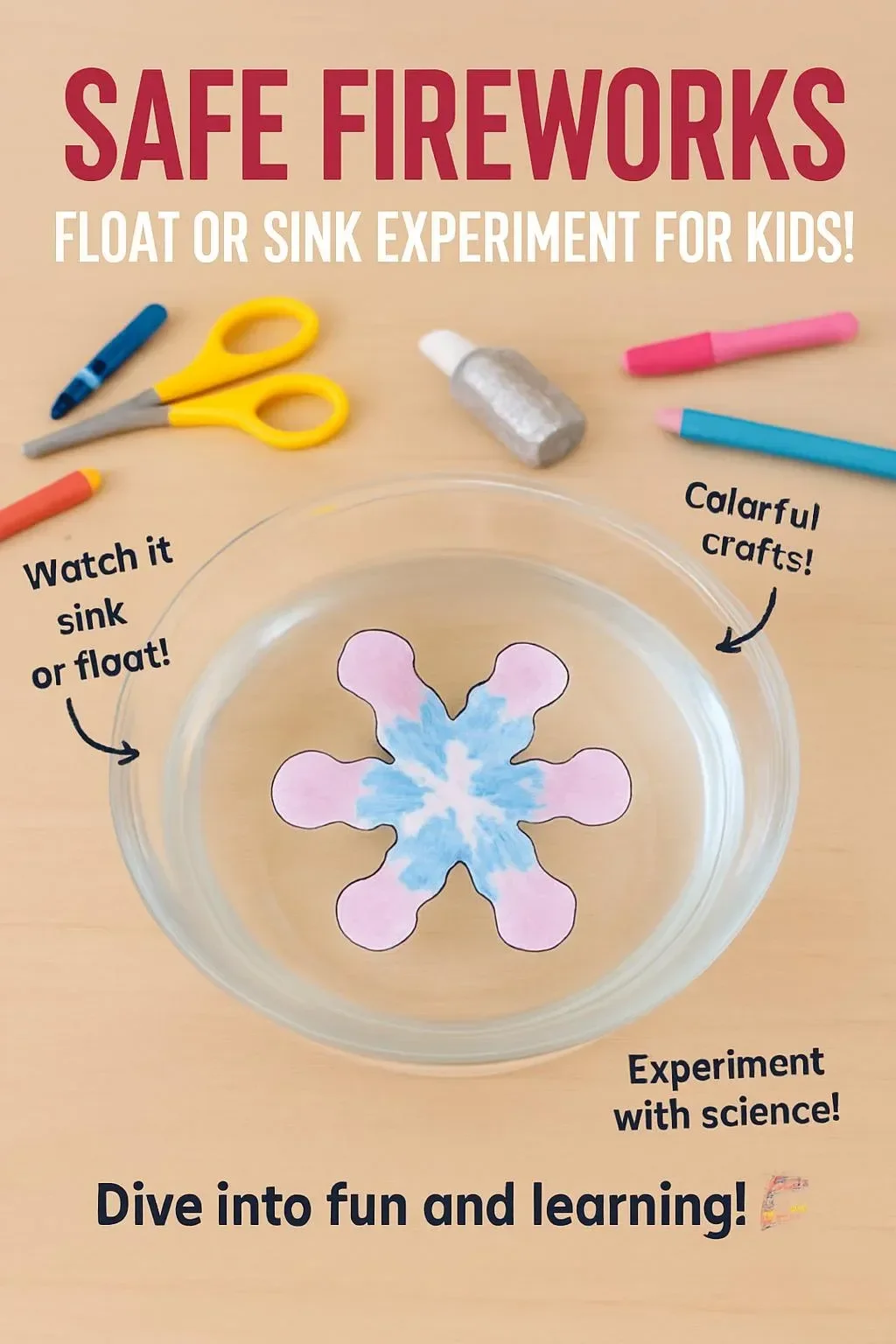
Safe Fireworks Float or Sink Experiment for Kids
If you’re looking for a fun and educational activity to keep your little ones engaged, the Safe Fireworks Float or Sink Experiment is a fantastic choice! This easy science project not only sparks curiosity but also provides a hands-on learning experience about density and buoyancy, perfect for summer afternoons or rainy days. It’s special because it combines science with the thrill of colorful “fireworks” in a safe way that everyone can enjoy. Now, let’s dive into why this recipe is surely a hit!
Why You’ll Love This Dish
This experiment is not just about the science; it’s all about the smiles and excitement that comes from watching your kids explore and learn. It’s a budget-friendly activity that encourages creativity and critical thinking. You won’t need fancy equipment or hard-to-find ingredients, and it’s quick to set up, making it ideal for families on the go.
"My kids had a blast with this experiment! They couldn’t believe their eyes when the colors danced in the water. It was such a joy to watch them learn while having fun!" – A Happy Parent
Preparing Safe Fireworks Float or Sink Experiment for Kids
This experiment is straightforward and doesn’t require you to be a science whiz! First, you’ll gather a few basic supplies to set the stage for your colorful creations. Prepare for some exciting visuals that demonstrate how different liquids and colors can create a mini fireworks show right in your kitchen.
{image_template}
What You’ll Need
Here’s all you need to make this fun experiment a success:
- Clear cups or glasses
- Water
- Food coloring (various colors)
- Oil (vegetable or canola works best)
- Baking soda
- Vinegar
- A dropper or small spoon for careful pouring
You can easily swap regular food coloring for gel food coloring for richer colors if you have it on hand.
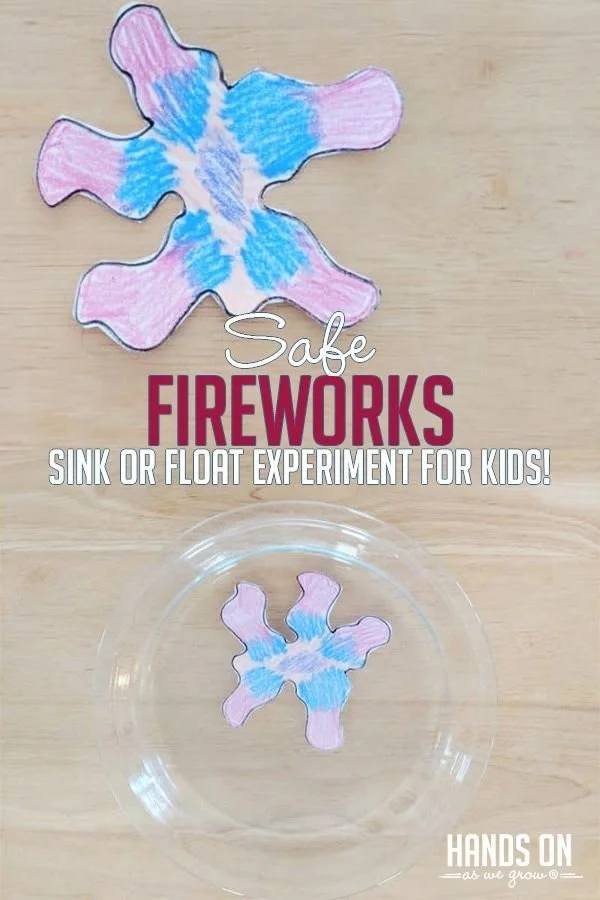
Directions to Follow
- Fill your cups: Start by filling each cup or glass about halfway with water.
- Add colors: Use the dropper or spoon to add a few drops of food coloring to the water. Make sure to use different colors in each glass to create a vibrant display!
- Prepare the oil: On top of the colored water, gently pour a layer of oil. The oil will float above the water, creating a separation that highlights how differing densities work.
- Create the fireworks: In a small bowl, mix a tablespoon of baking soda with a cup of vinegar. As you pour this mixture carefully into your colored water, you’ll see the fizzing action that mimics the “fireworks” bursting beneath the surface.
- Observe the magic: Watch closely as the colors and bubbles dance! Encourage your kids to watch for how long the colors stay suspended in the oil.
Best Ways to Enjoy It
To enhance the fun, consider hosting a “Science Fair Day” where your kids can present their fireworks creations to family or friends. Pair this activity with themed snacks like popcorn or fruit skewers to create an all-day event filled with learning and laughter.
How to Store
Once you’re done with the experiment, there’s no need for leftovers! However, if you have extra colored water, you can store it in the refrigerator for a day or two. Just remember that the fizzing effect won’t last, so it’s best to enjoy it fresh!
Helpful Cooking Tips
- For smoother pouring, consider using a funnel when adding oil to your cups.
- Encourage kids to make predictions before starting. Ask them which colors they think will mix well and which will float.
- Use clear containers so the effects of density and buoyancy are more visible.
Recipe Variations
Feel free to play around with this fun experiment! Try using different oils like coconut or olive oil for varied results or experiment with adding glitter to the water for a sparkly effect. You can also switch up the food coloring to create holiday or seasonal themes for extra excitement.
Common Questions
How long does it take to set up?
The setup takes just 10-15 minutes, making it a quick and easy addition to your day.
Can I use glitter or other colors?
Absolutely! Adding glitter can create a more festive atmosphere, and you can experiment with all sorts of colors.
Is this experiment safe for kids?
Yes! All the ingredients are safe and non-toxic, but it’s always a good idea to supervise young children to ensure they don’t ingest any of the materials.
This Safe Fireworks Float or Sink Experiment is sure to be a hit in your household, providing both fun and learning all in one delightful package! Happy experimenting, y’all!
Safe Fireworks Float or Sink Experiment
Ingredients
Method
- Fill each cup or glass about halfway with water.
- Use the dropper or spoon to add a few drops of food coloring to each glass, using different colors for a vibrant display.
- Gently pour a layer of oil on top of the colored water, creating a separation to highlight differences in density.
- In a small bowl, mix baking soda with vinegar.
- Carefully pour the mixture into the colored water and watch the fizzing action that mimics fireworks bursting.
- Encourage the kids to observe the colors and bubbles, noting how long colors stay suspended in the oil.