

Brining chicken thighs is a technique that changed how I cook at home and it can do the same for you. At Giddy Recipes, my goal is simple: to help everyday cooks make better food with less effort. I’m John, a chef from Alabama who believes anyone can master great food, even with a tight schedule. After years in busy kitchens, I learned that knowing how to brine chicken thighs transforms ordinary poultry into something restaurant worthy. In this guide, I’ll share exactly how to do it, step by step. Get ready to make moist, tender, flavor packed chicken every time.
Table of Contents

Brined Chicken Thighs
Ingredients
Equipment
Method
- In a large non-reactive container, combine 1 gallon of cold water with 1 cup kosher salt and 1 cup brown sugar. Stir until fully dissolved.
- Add optional flavor boosters such as crushed garlic, peppercorns, bay leaves, rosemary, or lemon slices.
- Place 8 chicken thighs in the container, making sure they are completely submerged in the brine.
- Cover and refrigerate for 30 minutes to 1 hour. Do not exceed 2 hours to avoid over-salting.
- Remove chicken from brine and pat thoroughly dry with paper towels. Do not rinse.
- Proceed to cook your chicken using your preferred method: grill, roast, or pan-sear.
Notes
Why Brining Chicken Thighs Works So Well
Unlocking Flavor from the Inside Out
How to brine chicken thighs starts with understanding why it works. Brining is more than soaking meat it’s a chemical process where salt changes the meat’s structure. When salt enters the muscle fibers, it breaks down proteins and allows water to stay trapped inside. That means the chicken won’t dry out during cooking. Even better, the salt helps season the meat deep within, not just on the surface. I remember the first time I brined chicken thighs juicy, seasoned bites with no blandness. That’s when I knew this was a skill worth sharing.
Brining works especially well for chicken thighs because of their natural fat content. The fat keeps the meat rich, while the brine boosts tenderness and juiciness. Try using this method for your next Alice Springs Chicken or even spiced wraps like our Cheesy Garlic Chicken Wraps. You’ll immediately taste the difference.
Simple Method, Big Payoff
How to brine chicken thighs doesn’t require complicated tools or ingredients. A basic mix of water, salt, and sugar is all you need to start. You can customize it with herbs, spices, or aromatics, but even a basic brine improves moisture retention. Whether you’re preparing grilled fajitas or a cozy casserole, this one step takes your chicken from decent to unforgettable.
Ingredients & Brining Formula for Chicken Thighs
The Core Ingredients That Matter
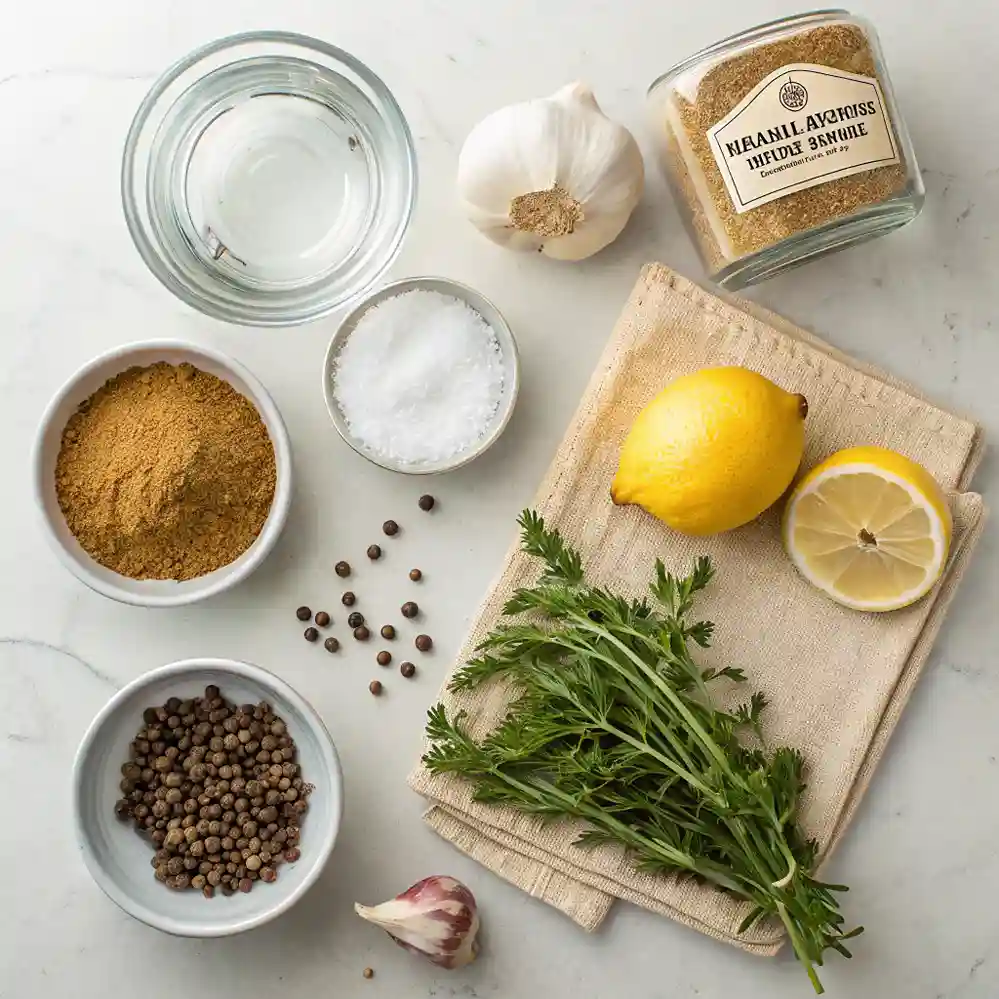
How to brine chicken thighs begins with the right brining ingredients. You only need three essential items to create a brine that delivers juicy, flavorful results: water, kosher salt, and sugar. I always recommend using Diamond Crystal kosher salt for consistent results it dissolves well and is less salty by weight than table salt. Sugar balances the saltiness and helps caramelize the meat during cooking.
Here’s the base formula I use at Giddy Recipes for about 8–10 chicken thighs:
| Ingredient | Amount |
|---|---|
| Cold Water | 1 gallon |
| Kosher Salt | 1 cup |
| Brown Sugar | 1 cup |
Flavor Boosters for Better Results
How to brine chicken thighs can get even better when you customize the base. Add crushed garlic, black peppercorns, bay leaves, rosemary, or lemon slices. These aromatics infuse your chicken with layers of flavor, making it taste like you spent hours cooking.
You can also use this base when prepping recipes like our Fajitas de Pollo or flavor forward Chicken Salt seasoning. Both benefit from a solid brine base.
Stick with a cold water brine (never warm) to avoid bacterial growth, and always use a non reactive container plastic, glass, or stainless steel work best. With the right ingredients and ratios, you’re well on your way to mastering the brine.
Step by Step Brining Process for Chicken Thighs
How to Brine Chicken Thighs Correctly

How to brine chicken thighs is all about timing, balance, and safety. Start by combining your brine ingredients 1 gallon of cold water, 1 cup of kosher salt, and 1 cup of brown sugar. Stir until dissolved. You can add your herbs and aromatics now for extra flavor.
Next, place the chicken thighs in a non reactive container. Pour the brine over them, making sure they are fully submerged. Cover and refrigerate for 30 minutes to 1 hour. Brining for longer than 2 hours may lead to overly salty chicken, especially with smaller cuts.
Remove the chicken from the brine and pat it dry thoroughly using paper towels. Do not rinse the meat. Rinsing spreads bacteria and removes the flavorful salt coating.
This method works beautifully for recipes like our High Protein Pasta Salad or the health focused Brazilian Mounjaro Chicken, both of which benefit from extra tenderness and internal flavor.
Texture, Visual Cues, and Food Safety
How to brine chicken thighs means you should also know what to expect from the meat. After brining, the chicken should appear slightly plumper. It will feel firmer to the touch this is a sign that the muscle fibers have absorbed water.
Always keep your brining temperature below 40°F (4°C). This keeps harmful bacteria from growing. Use an airtight container in the fridge, and never reuse brine discard it immediately after use.
Your chicken thighs are now ready for any cooking method roasting, grilling, smoking, or pan searing. Once you try this process, you’ll never skip it again.
Serving Tips, Storage & Flavor Variations

How to Brine Chicken Thighs for Dietary Preferences
How to brine chicken thighs doesn’t mean compromising your dietary goals. You can easily tweak the brine to suit various needs. For a low sodium option, reduce the salt to ¾ cup and extend the brine time slightly. If you’re cutting back on sugar, replace brown sugar with a low glycemic sweetener like coconut sugar or skip it altogether.
For gluten free needs, ensure your spices and flavor boosters are certified gluten free. Want a keto friendly option? Use monk fruit sweetener instead of sugar. Brining is incredibly flexible, which is why it fits seamlessly into meals like our Quinoa with Chicken Salad or comforting classics like these Timeless Comfort Foods.
Brining also works well for meal prep. You can brine multiple thighs in advance and use them across dishes throughout the week.
How to Store and Reheat for Maximum Flavor
How to brine chicken thighs successfully also includes smart storage. After brining, you can keep the chicken in the fridge (uncooked) for up to 3 days. Make sure it’s stored in a sealed container and always labeled with the date.
If you want to freeze it post brine, dry the thighs thoroughly, wrap them tightly, and freeze for up to 2 months. Thaw overnight in the fridge before cooking.
To reheat cooked brined chicken, avoid the microwave. Instead, warm it gently in the oven at 300°F wrapped in foil for 15–20 minutes. This keeps the texture moist and the flavor intact.
Brined chicken is at its best fresh, but with the right method, you can enjoy that restaurant quality flavor anytime.
Best Time-Saving Tip for Busy Weeknights
If you’re always short on time, here’s a tested kitchen hack I swear by: prep and brine chicken thighs in bulk on Sunday night, then portion and refrigerate or freeze them with labels. This small routine cuts your weekday dinner prep by half and guarantees flavor-packed meals on demand. It’s a game-changer for dishes like our One Pan Herb Chicken and Veggies or our Spicy Chicken Couscous Bowls. Planning ahead not only helps you eat better but also saves you from last-minute takeout temptation.
Frequently Asked Questions
1. What are the benefits of brining chicken thighs?
Brining chicken thighs improves flavor, texture, and moisture. It seasons the meat from the inside and keeps it juicy during cooking.
2. What is the basic brine solution for chicken thighs?
To learn how to brine chicken thighs, start with 1 gallon water, 1 cup kosher salt, and 1 cup brown sugar, plus optional herbs and garlic.
3. How long should you brine chicken thighs?
The best brining time is 30–60 minutes. Longer than 2 hours may result in overly salty meat.
4. What are common mistakes to avoid?
Avoid over brining, using too much salt, and reusing brine. Keep it cold and discard after use.
Conclusion
How to brine chicken thighs is one of the most effective yet simple ways to transform your home cooked meals. It enhances moisture, flavor, and tenderness making even a quick weeknight dinner taste gourmet. Once you master this technique, you’ll want to use it for every chicken dish you make.
Give it a try, share your results, and don’t be afraid to experiment with new flavors. You might just find that brining becomes your new kitchen secret weapon.